Philosophy • • 6 min
Why Korean Hair Ages Differently
Some people seem to keep healthier-looking hair well into their forties and fifties, while others notice change far earlier. Genetics matter — but the more telling difference may be a question of timing, and a philosophy India is only beginning to discover.
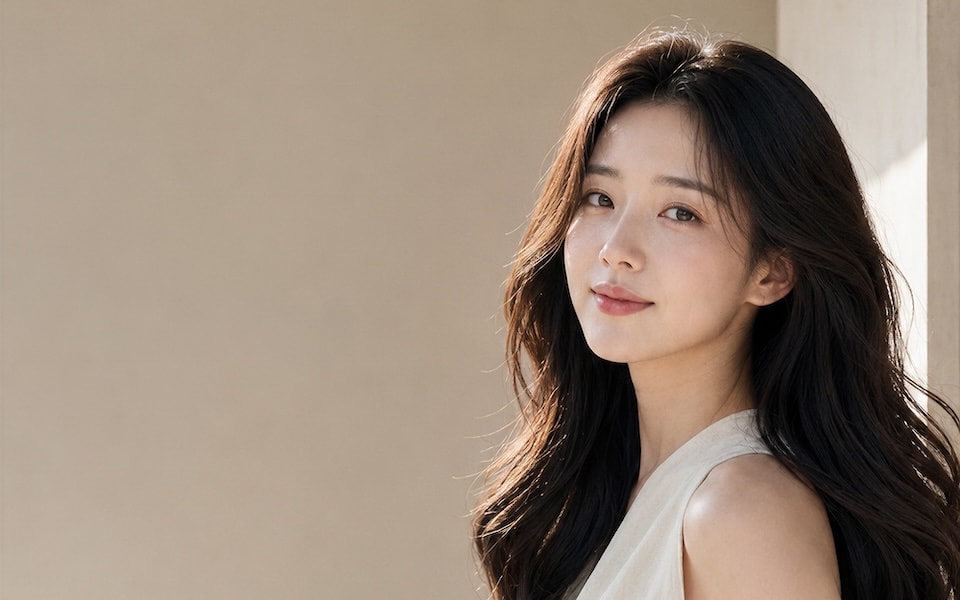
There is a question the beauty and wellness world rarely stops to ask. Why do some people maintain healthier-looking hair well into their forties, fifties, and beyond, while others begin noticing change much earlier?
The easy answer is genetics. And genetics certainly play a part. But spend time with Korean beauty culture, scalp wellness practices, and preventive hair philosophies, and something else becomes clear: Koreans don't simply care for their hair differently. They think about hair differently.
In India, most people begin paying attention to their scalp only after they notice excessive shedding, thinning, lost density, or a change in hair quality. In Korea, the conversation often begins years before any visible concern appears. That single difference in timing may be the most important distinction there is — between reactive hair care and preventive hair wellness.
The Most Expensive Hair Problem Is The One You Notice Too Late
Consider how affluent Indians approach the rest of their wellbeing. They take executive health check-ups before they feel unwell. They invest in fitness before mobility becomes a problem. They follow skincare routines before lines become prominent, and they monitor cholesterol long before a cardiac event. Across modern wellness, prevention has quietly become the gold standard.
Except, surprisingly, when it comes to hair. For many people, hair remains one of the last areas where action is delayed until the signs are already visible.
The difficulty is that by the time a hair concern is obvious in the mirror, the scalp environment may have been shifting quietly for months or even years. Hair does not change overnight. It changes gradually. The scalp sends its signals long before the hair sends its warnings — and the Korean philosophy is built around that reality.
Korean Beauty Was Never Only About Appearance
One of the biggest misconceptions about Korean beauty is that it is purely aesthetic. The reality is far more considered. Its foundation isn't dramatic correction — it's consistent maintenance.
You can see the same logic everywhere in the culture: daily sun protection before pigmentation appears, hydration before dryness becomes visible, preventive skincare before the signs of ageing emerge, regular analysis before a concern becomes severe. Hair follows the same principle.
In Korea, the scalp is often treated as an extension of facial skin rather than a wholly separate surface. It may sound obvious, yet many people invest heavily in facial skincare while giving almost no thought to the skin that supports more than 100,000 hair follicles.
The Scalp Is Not The Hair
This distinction may be the single most useful lesson to borrow from Korean hair wellness. Most of us judge our hair by what we can see — shine, smoothness, length, texture, styling. But the hair shaft itself is biologically inactive. The living activity happens beneath the surface: within the scalp, within the follicular environment, within the skin that supports every strand.
It's why Korean practitioners often spend real time examining the scalp rather than focusing on the hair alone. What appears on top is usually a reflection of what is happening underneath.
Someone may have expensive products, luxury salon visits, and flawless styling while still carrying an unsettled scalp environment. Another person may keep relatively simple habits yet maintain a balanced scalp that supports stronger hair over time. The difference isn't always visible immediately — but it tends to become unmistakable over the years.
Why Prevention Outperforms Correction
For many people, hair care begins only after a trigger. Perhaps increased shedding. Perhaps a widening part line. Perhaps a photograph that reveals reduced density, or a stretch of stress, travel, and pollution beginning to show. Only then does the search begin — treatments, products, supplements, procedures.
Korean scalp wellness asks a quieter question: why wait for a visible problem before paying attention? The goal isn't to react faster. It's to notice earlier. That subtle shift in mindset changes everything.
Because prevention is rarely dramatic. It is quiet, consistent, often unremarkable — right up until the years pass and the cumulative result becomes impossible to ignore.
A Modern Scalp, A New Set Of Pressures
This conversation is especially relevant for affluent urban India. Consider the average professional in Gurugram, Delhi, Noida, or South Delhi: long working hours, constant digital exposure, chronic stress, environmental pollution, hard water, irregular sleep, and aggressive styling routines.
These aren't isolated factors. They're daily realities. And while we talk often about how they affect skin, energy, and overall wellbeing, very little attention goes to what they may mean for the scalp.
The Korean approach recognises that external stressors accumulate — not dramatically, but gradually, over years. Which is exactly why regular scalp observation and maintenance are treated as part of a long-term routine rather than an emergency intervention.
The Future Of Hair Wellness Is Awareness
The next decade may reshape how people think about hair entirely, and the shift is already underway: from products to diagnostics, from treatment to prevention, from appearance to understanding, from reaction to awareness.
The most discerning consumers no longer ask, "What should I use?" They ask, "What is actually happening?" It's a very different question — and it tends to lead to very different outcomes.
The Philosophy India Is Only Beginning To Discover
Perhaps the most valuable lesson in Korean hair wellness isn't a treatment, a technology, or a product. It is a philosophy.
The belief that maintaining beautiful hair begins long before visible concerns appear. The understanding that the scalp deserves the same attention, observation, and care we routinely give our skin. And the recognition that longevity is rarely created through dramatic intervention — it is built through consistent awareness over time.
The future of hair wellness may not belong to those searching for quick fixes. It may belong to those who understand something far simpler: the best time to pay attention to your scalp is before it demands your attention.
That is the Korean philosophy. And it is one India is only beginning to discover.
Download the full report
This is a condensed look at a longer reflection. The complete report goes further — with the full case for preventive scalp wellness and the Korean approach to noticing change before it becomes visible.
Frequently asked questions
- Why does Korean hair seem to age differently?
- The difference is less about genetics than about timing. Korean hair wellness begins years before any visible concern appears, treating the scalp as living skin and prioritising consistent maintenance over reactive correction once thinning or shedding has already set in.
- When should you start scalp care to prevent hair fall?
- Before visible signs appear. The scalp environment can shift quietly for months or years before hair shows obvious warnings, so preventive observation and maintenance — while follicles are still healthy — tends to matter far more than acting after a trigger event.
- Why focus on the scalp instead of the hair?
- The hair shaft itself is biologically inactive; the living activity happens in the scalp and follicular environment beneath it. What appears on the surface usually reflects the condition underneath, which is why preventive Korean wellness centres on scalp health first.
Related reading
More from the Journal beyond “Why Korean Hair Ages Differently”
- Scalp Intelligence: Why Korean Hair Wellness Starts Long Before Hair Fall
Korean scalp wellness begins before hair fall becomes visible. Discover how detoxification, circulation, barrier care and consistent monthly rituals help create a healthier environment for stronger-looking hair.
- Your Scalp Is Ageing Faster Than Your Face
We invest heavily in facial anti-ageing — serums, facials, lasers — while the scalp, one of the body's most metabolically active skin environments, is left out of the conversation entirely. And it may be ageing quietly, years before the hair visibly changes.