Philosophy • • 6 min
Your Hair Is Not The Problem — Your Scalp Is
For decades, haircare has taught us to focus on the strand — shinier, smoother, thicker, more. But what if the real problem was never the hair at all, and the answer has been hidden beneath it the whole time?
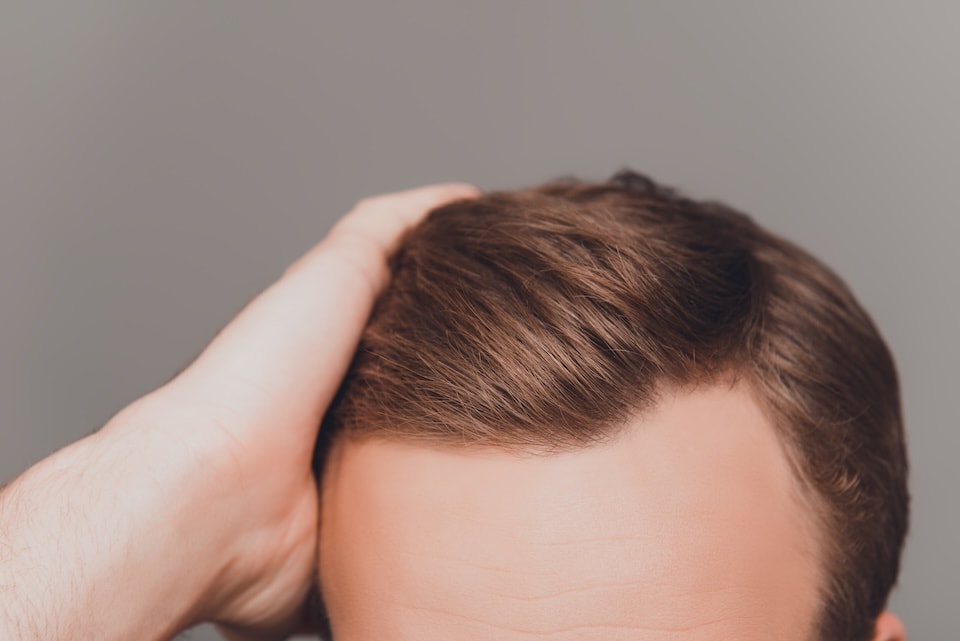
For decades, the haircare industry has taught us to focus on the hair. Shinier hair, smoother hair, thicker hair. More volume, more treatments, more products. But what if the real problem isn't your hair at all? What if the answer has been hidden beneath it the entire time?
This is the question driving one of the fastest-growing wellness movements to emerge from South Korea — a country recognised globally for setting the standard in skincare, beauty innovation, and preventive wellness. And today, that philosophy has arrived in Gurugram.
At MoArae, led by Professor Eunu Jang, Chief Scalp Physiologist, a different conversation is beginning. Not about hair. About the scalp. Because healthy hair does not begin with the strand. It begins with the environment that produces it.
The Hard Truth Nobody Wants To Hear
Most people only pay attention to their scalp when something goes wrong — when hair fall increases, the hairline shifts, the parting widens, density seems reduced. The instinctive response is predictable: change the shampoo, buy supplements, try another serum, book another salon treatment. Yet few people stop to ask the more useful question: what condition is my scalp actually in?
At MoArae, we routinely meet accomplished professionals and entrepreneurs who invest significantly in premium beauty and wellness, yet have never had a professional scalp analysis — and have never seen their own scalp under magnification.
What surfaces often surprises them: inflammation, congestion, excess oil production, microbiome imbalance, product buildup, environmental damage, stress-related tension. The warning signs, it turns out, frequently appear months — sometimes years — before any visible hair concern emerges.
Why Korea Became Obsessed With Scalp Health
South Korea's beauty industry is built on one simple principle: prevention is more powerful than correction. That idea transformed skincare. Now it is transforming hair wellness.
In Korea, scalp health is treated much like facial skin health. People don't wait for visible damage — they monitor, maintain, and restore the scalp proactively. Korean scalp specialists understand something many industries overlook: a healthy follicle requires a healthy environment, and no amount of expensive styling can compensate for a compromised scalp ecosystem.
It's why Korean scalp rituals have become one of the most talked-about wellness practices globally — not because they're luxurious, but because they're logical.
Gurugram Has A Scalp Health Problem
This may sound surprising, but Gurugram presents a particular combination of scalp stressors that rarely gets discussed openly. Consider the lifestyle of a successful urban professional: long working hours, chronic stress, poor recovery, air-conditioned environments, pollution exposure, frequent travel, hard water, heat styling, and product layering.
Each factor affects scalp health on its own. Combined, they create an environment where the scalp lives under constant pressure. The result is familiar to many — increased shedding, scalp sensitivity, excess oiliness, dryness, persistent dandruff, thinning density, and hair that never quite feels healthy.
The problem is not always genetics. Often, it is the environment.
Professor Eunu Jang's Philosophy
Professor Eunu Jang has spent years studying scalp physiology, circulation, follicular environments, and Korean scalp wellness methodologies. Her approach begins with a simple premise: you cannot improve what you do not understand.
Before recommendations, before treatments, before products, there must be assessment, observation, analysis, and understanding. At MoArae, every scalp tells a story — one may reveal chronic inflammation, another congestion, another stress-related dysfunction, another environmental damage from a modern lifestyle.
The goal is not simply relaxation. The goal is intelligence — because scalp wellness should be guided by evidence, not assumptions. This is also why personalisation comes from the depth of the assessment rather than any notion that one scalp is unlike every other.
A Ritual, Not A Hair Spa
The modern luxury consumer is evolving. People no longer seek only indulgence; they seek outcomes, knowledge, preventive care, and long-term wellness. It's a large part of why Korean scalp rituals are resonating so widely.
A proper scalp wellness experience is not a hair spa, a head massage, or a cosmetic treatment. It's a systematic process designed to assess scalp health, remove congestion, improve circulation, support microbiome balance, restore comfort, and promote a healthier follicular environment.
Performed consistently, these rituals become part of a preventive wellness strategy — much like skincare, much like fitness, much like nutrition.
The Cost Of Waiting
One of the greatest misconceptions in hair wellness is that action can wait. Biology doesn't always work that way. By the time visible thinning becomes obvious, the underlying scalp challenges may have existed for months or years.
This is why prevention matters. This is why awareness matters. And it's why the most considered wellness consumers increasingly focus on the scalp before problems become visible — because preservation is always easier than restoration.
The Future Of Hair Wellness In Gurugram
The future of hair wellness doesn't belong to salons. It belongs to education, prevention, science, and expertise — to experiences rooted in understanding rather than trends.
MoArae was founded on that belief: that Gurugram deserves a higher standard of scalp health, a place where luxury and physiology coexist, where Korean scalp science meets modern urban life, and where guests leave with more than beautiful hair. They leave with knowledge. Because once you understand your scalp, you begin to understand your hair — and once you understand your hair, you can finally make decisions that support it for years to come.
The question is no longer "how do I make my hair look better?" It is "what is my scalp trying to tell me?" Because your hair was never the problem. Your scalp is.
Download the full report
This is a condensed look at the thinking behind our rituals. The complete report goes further — with the full case for scalp-first wellness and a practical path to beginning your own scalp analysis.
Frequently asked questions
- Why is the scalp the real problem, not the hair?
- The visible strand is the end result; the living activity happens in the scalp and follicular environment beneath it. When that environment is inflamed, congested, or imbalanced, even premium products tend to deliver only temporary results — which is why a scalp-first assessment often explains concerns the hair alone cannot.
- What does a professional scalp analysis reveal?
- Examined under magnification, a scalp can show inflammation, congestion, excess oil production, microbiome imbalance, product buildup, environmental damage, or stress-related tension — often present months before any visible hair concern. The analysis turns guesswork into evidence-led care.
- Why does prevention matter more than correction?
- By the time thinning is visible, the underlying scalp challenges may have existed for months or years. Monitoring and maintaining the scalp proactively — the way Korean wellness treats facial skin — is far easier than restoring it later, because preservation is always easier than restoration.
Related reading
More from the Journal beyond “Your Hair Is Not The Problem — Your Scalp Is”
- Scalp Intelligence: Why Korean Hair Wellness Starts Long Before Hair Fall
Korean scalp wellness begins before hair fall becomes visible. Discover how detoxification, circulation, barrier care and consistent monthly rituals help create a healthier environment for stronger-looking hair.
- Your Hair Fall Might Not Be About Your Hair At All
Hair fall may begin beneath the surface. Discover how stress, poor sleep, pollution and hard water can disrupt scalp health — and how Korean scalp wellness helps restore balance for healthier-looking hair.